Redis backup and restore: RDB vs AOF and off-site snapshots
RDB gives you a portable point in time; AOF records later writes. A separate encrypted snapshot protects that recovery data from losing the Redis host.
Clear guidance for operators protecting Linux servers, Docker stacks, databases, and restic repositories—without pretending a green check is the same as a tested restore.
All guides
Page 4 of 5 · 40 guides

RDB gives you a portable point in time; AOF records later writes. A separate encrypted snapshot protects that recovery data from losing the Redis host.

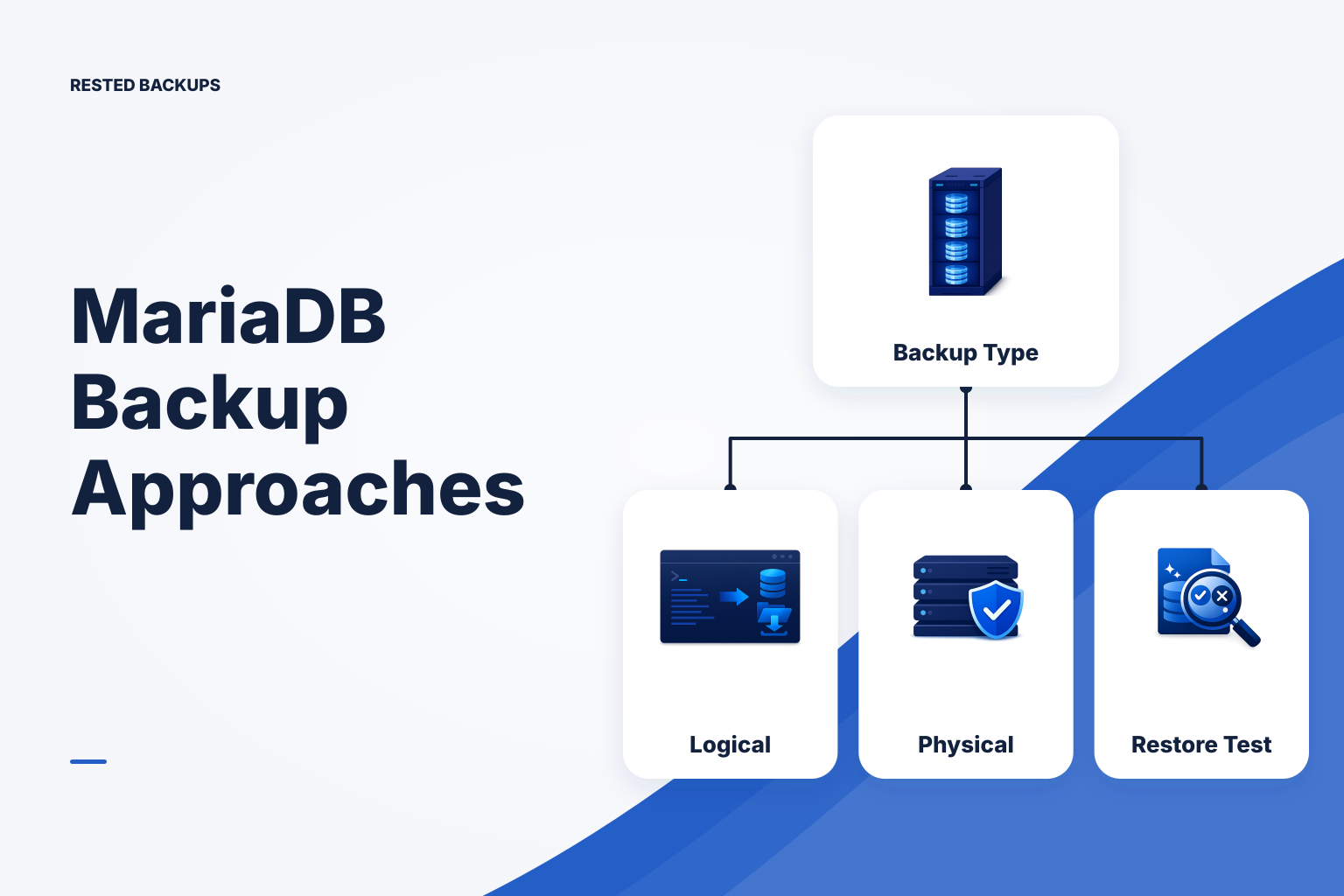
This workflow uses an InnoDB-consistent logical dump, a protected option file, atomic output, encrypted off-site storage, and a real restore test.

Find the right snapshot, restore only the path you need, and check the recovered copy before it goes back into production.

Retention decides which snapshots remain; pruning reclaims their unreferenced data. The details of calendar buckets and snapshot grouping matter.

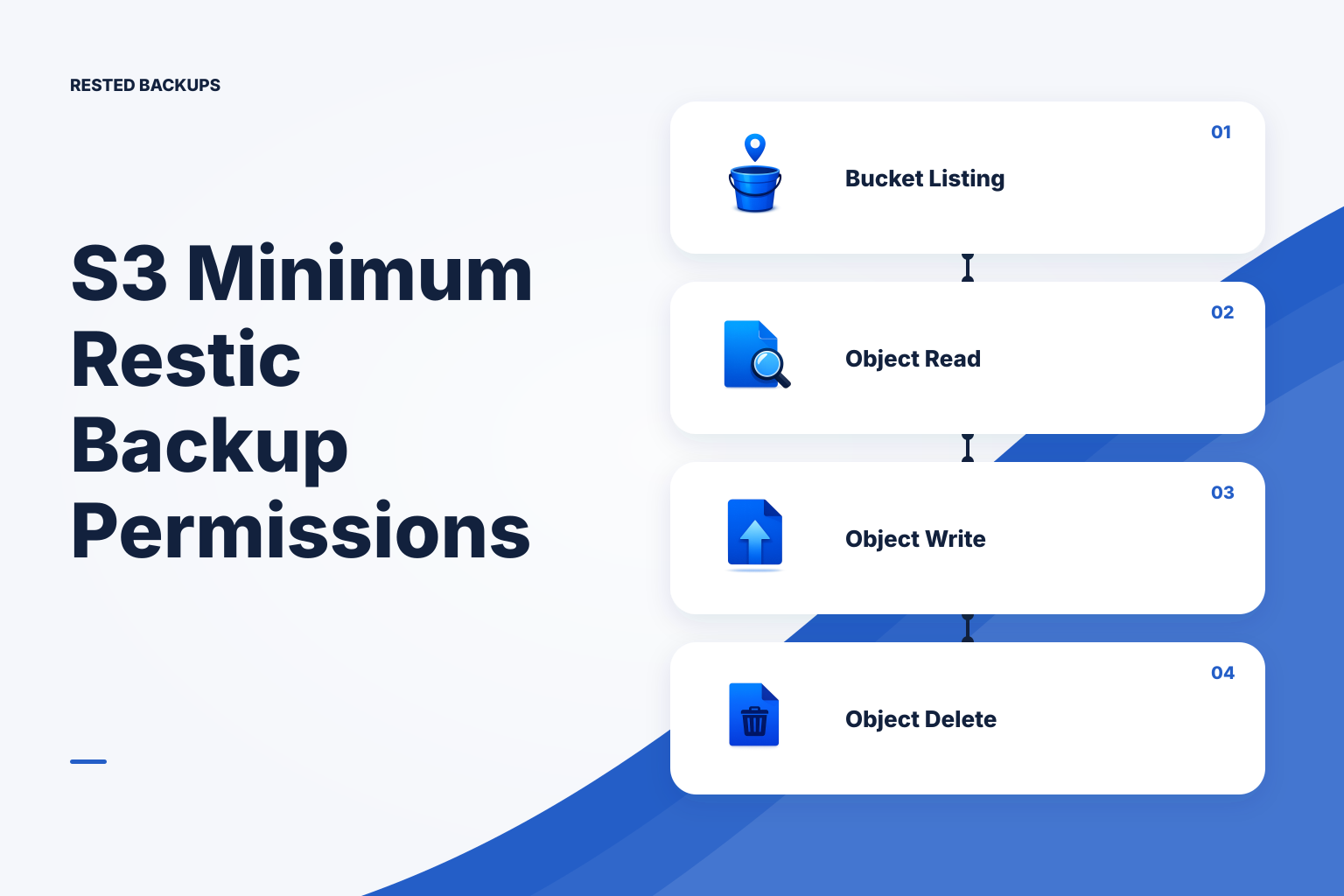
A working restic repository needs list, read, write, and delete access. Least privilege comes from scoping those operations to the right bucket and repository prefix.

Cron remains perfectly reasonable for a small fleet. The trouble begins when nobody can answer which server has a recent, restorable snapshot.

Understand the core restic workflow—from encrypted repositories and snapshots to retention and recovery checks.

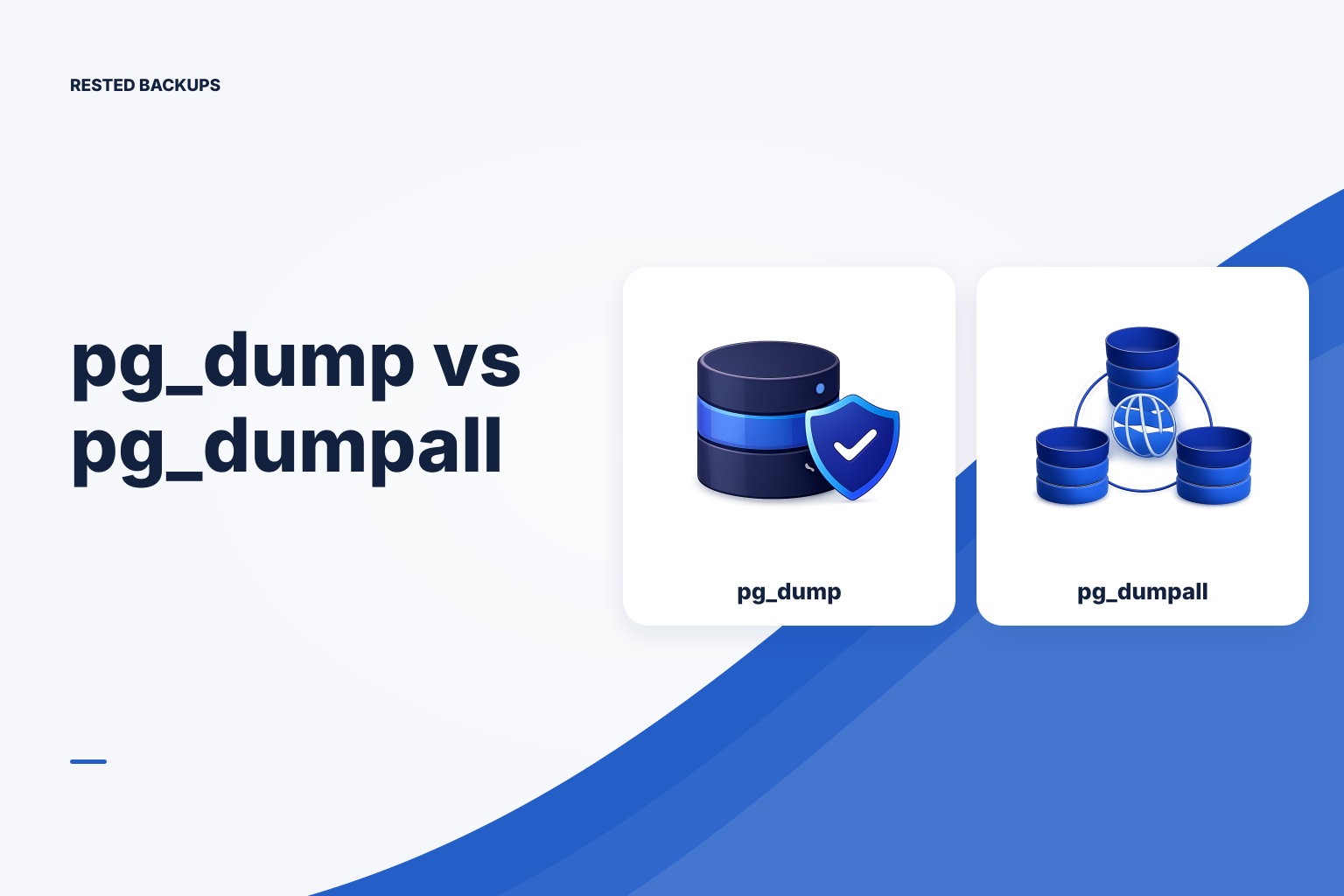
A clear approach to PostgreSQL logical backups, retention, encryption, and repeatable restore testing.

Build a backup routine that covers encryption, off-site storage, retention, alerts, and tested restores.