Rested guides
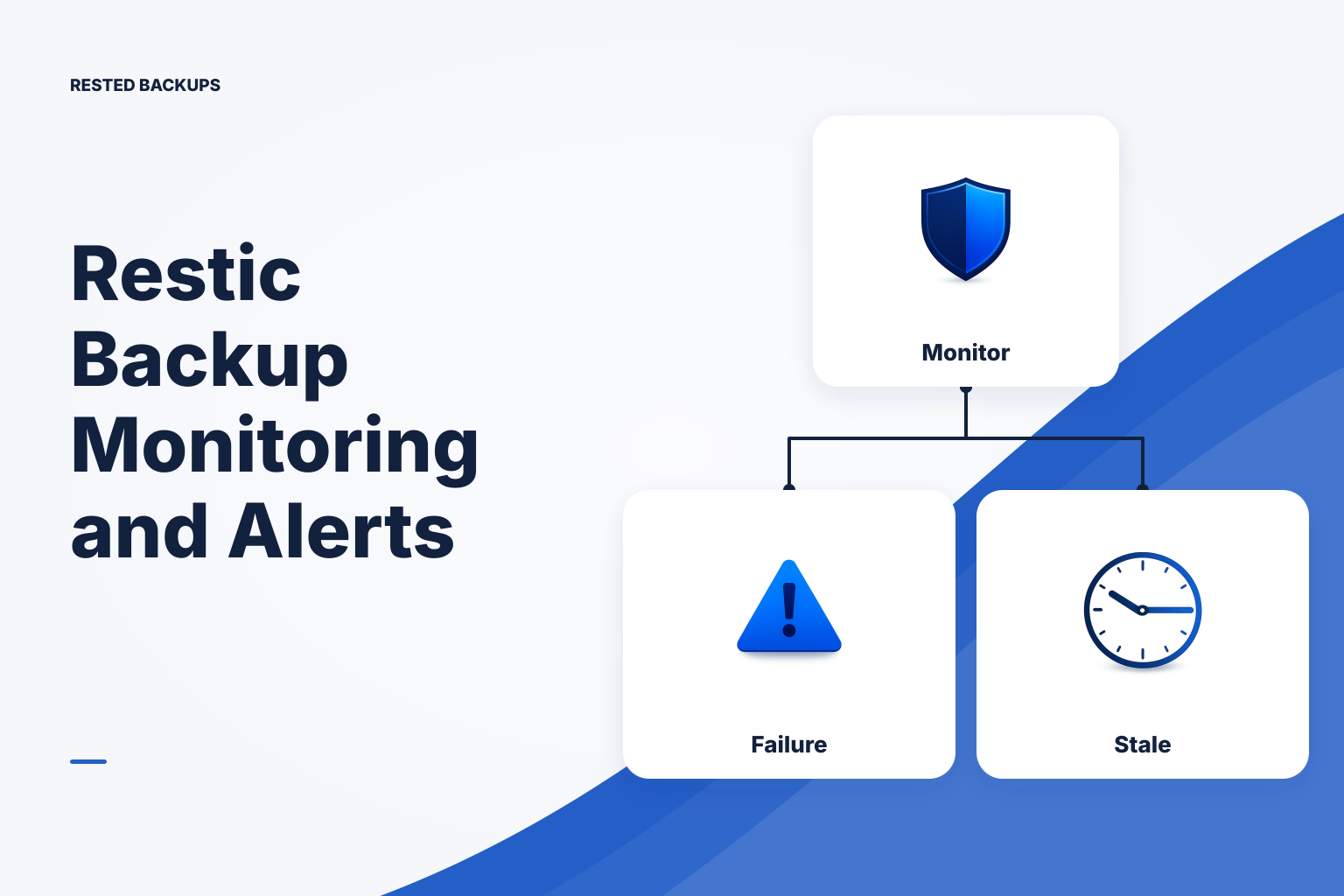
How to monitor restic backups and alert on failed scheduled jobs
A backup monitor must catch command failures and jobs that never started. Here is how to cover both without turning every warning into a page.
11 min readRead guide
Clear guidance for operators protecting Linux servers, Docker stacks, databases, and restic repositories—without pretending a green check is the same as a tested restore.
Page 5 of 6 · 50 guides
A backup monitor must catch command failures and jobs that never started. Here is how to cover both without turning every warning into a page.
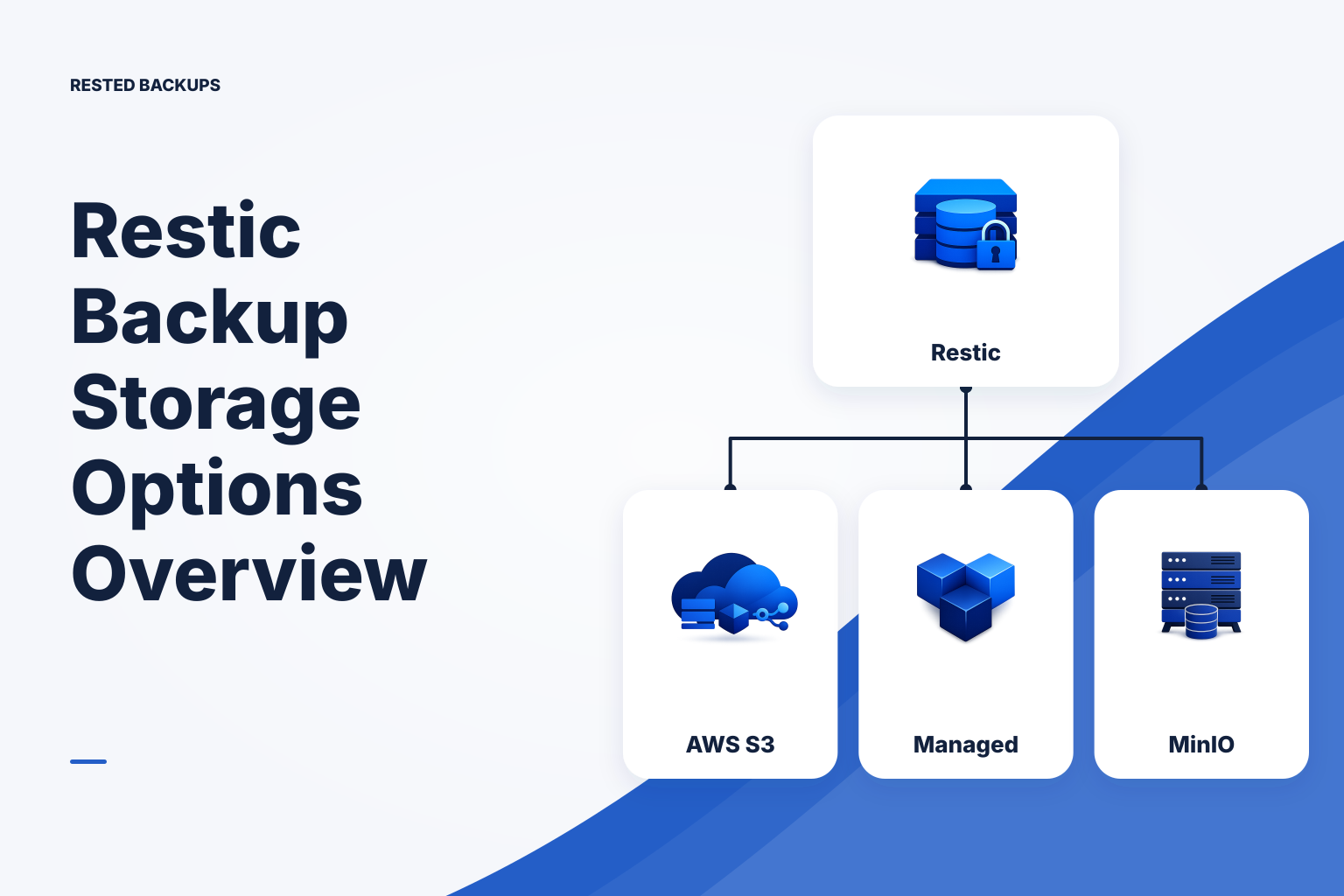
Choose restic object storage by the recovery path your team can operate, not API compatibility alone. Compare AWS S3, Cloudflare R2, Backblaze B2, Wasabi, and MinIO by operational ownership, access control, endpoint fit,
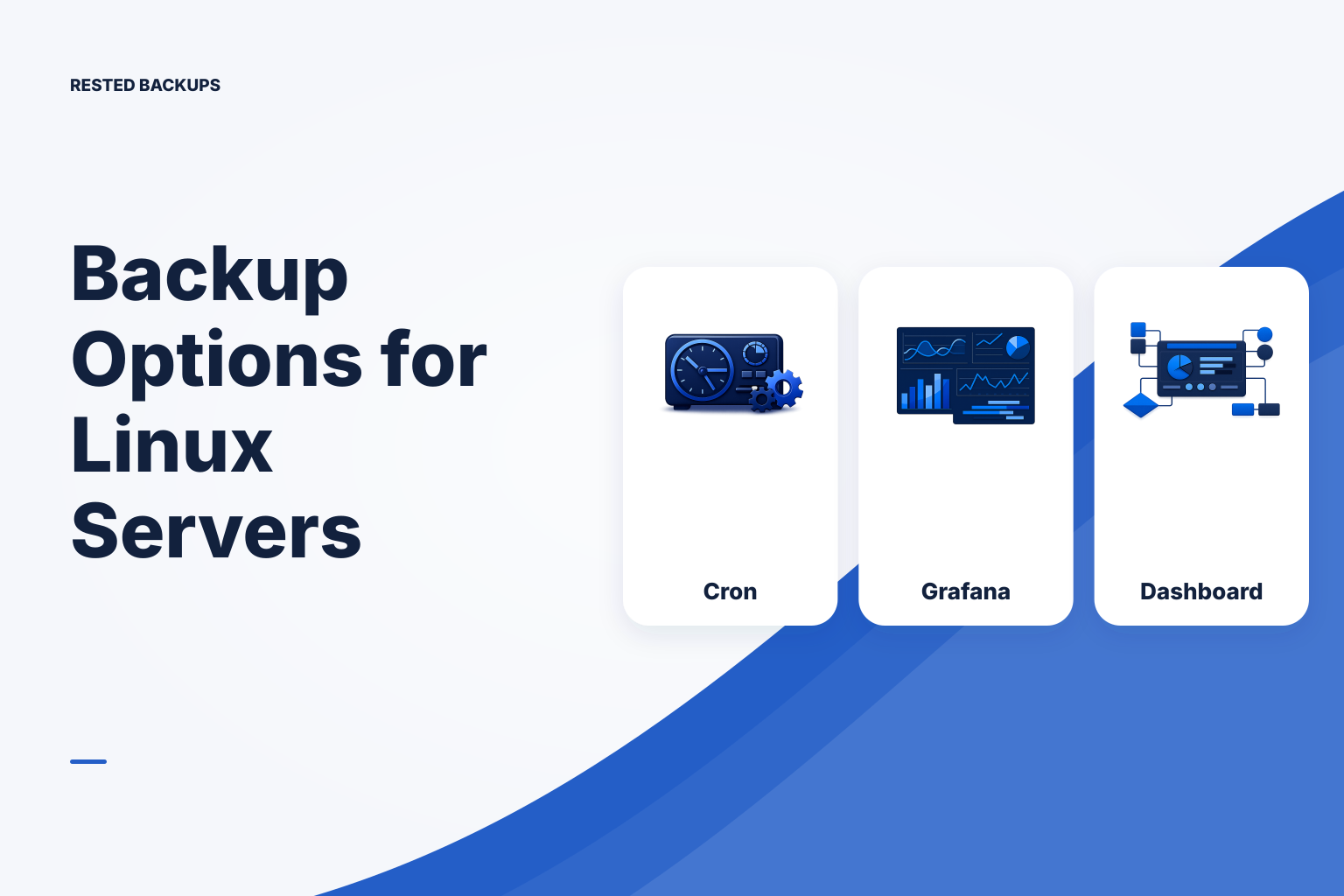
For a small, stable fleet, managed systemd timers or cron plus an external stale-backup check are usually enough. Add Grafana when you already operate Prometheus and alerting; use a central dashboard when schedules, runs
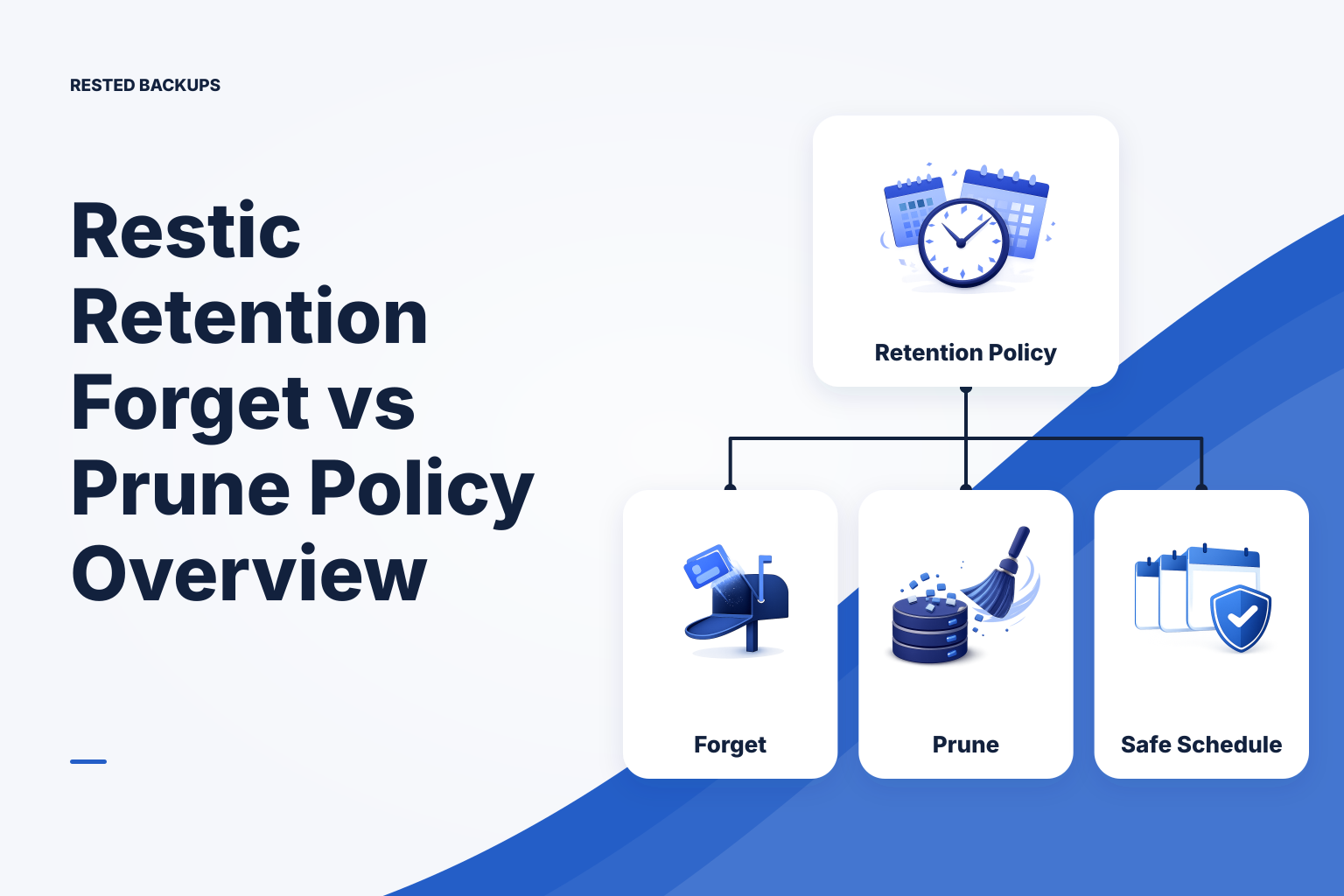
Retention decides which snapshots remain; pruning reclaims their unreferenced data. The details of calendar buckets and snapshot grouping matter.
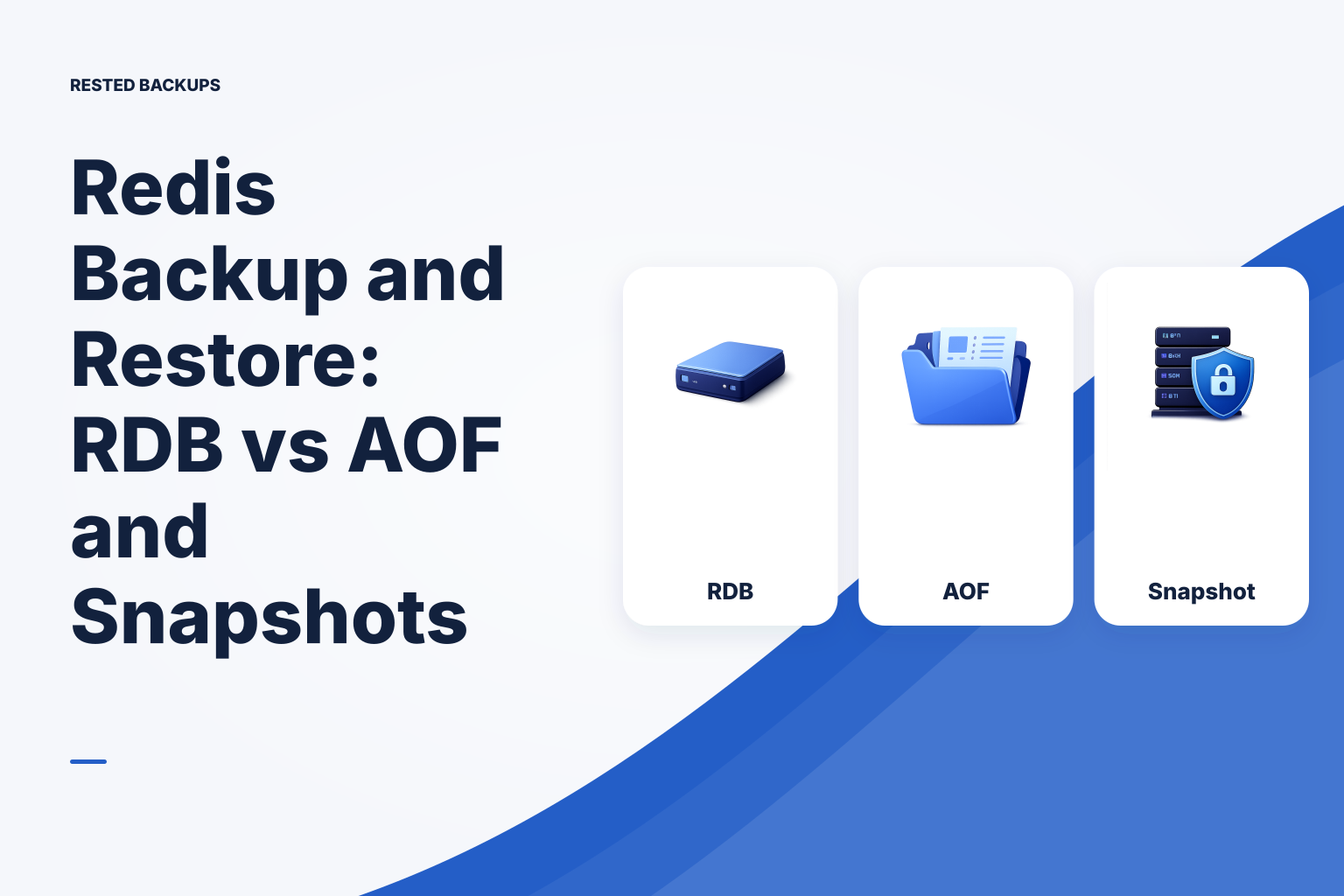
RDB gives you a portable point in time; AOF records later writes. A separate encrypted snapshot protects that recovery data from losing the Redis host.
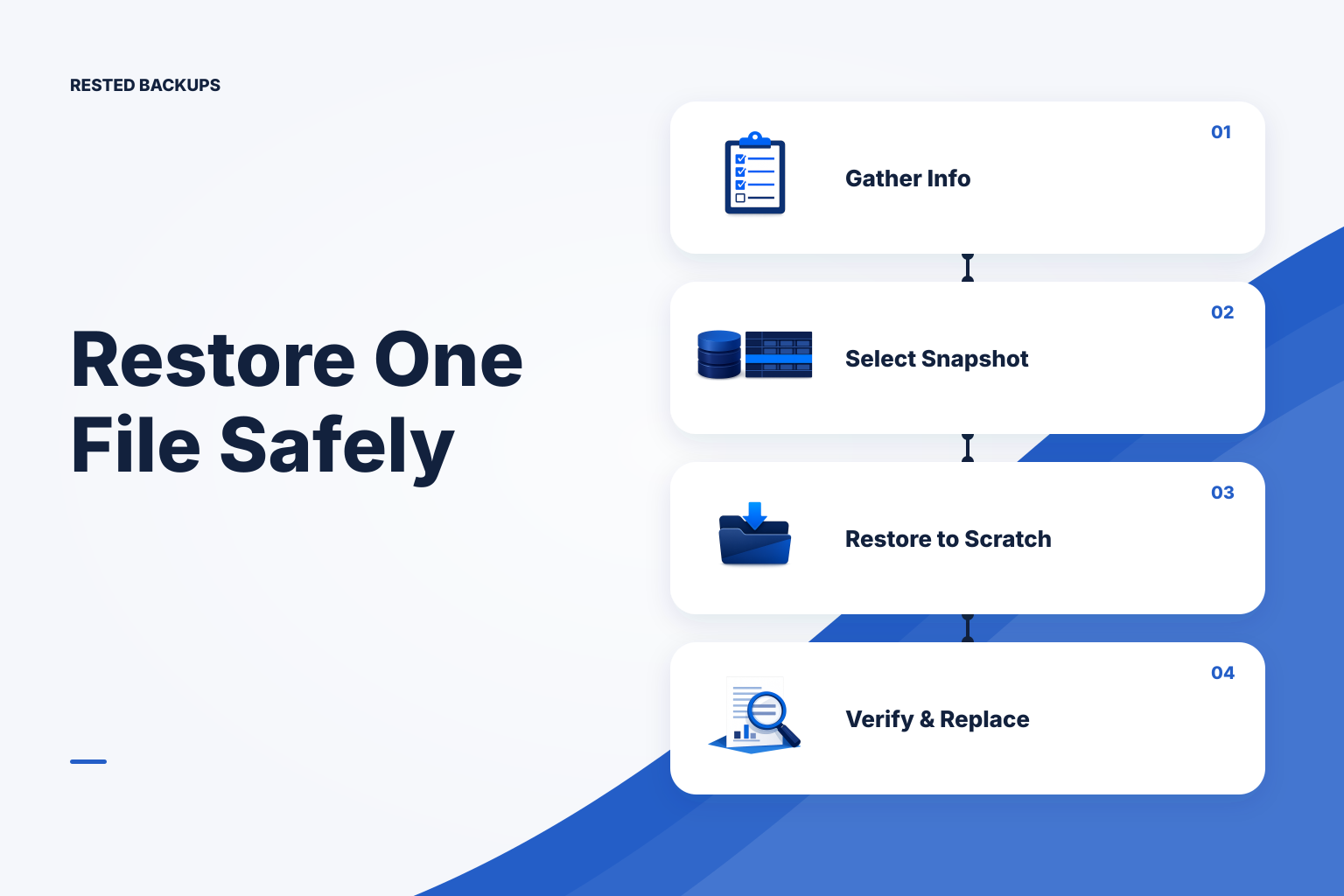
Restore a single file or directory from a specific restic snapshot, inspect it in a safe working directory, and copy it back only after you verify the recovered version.
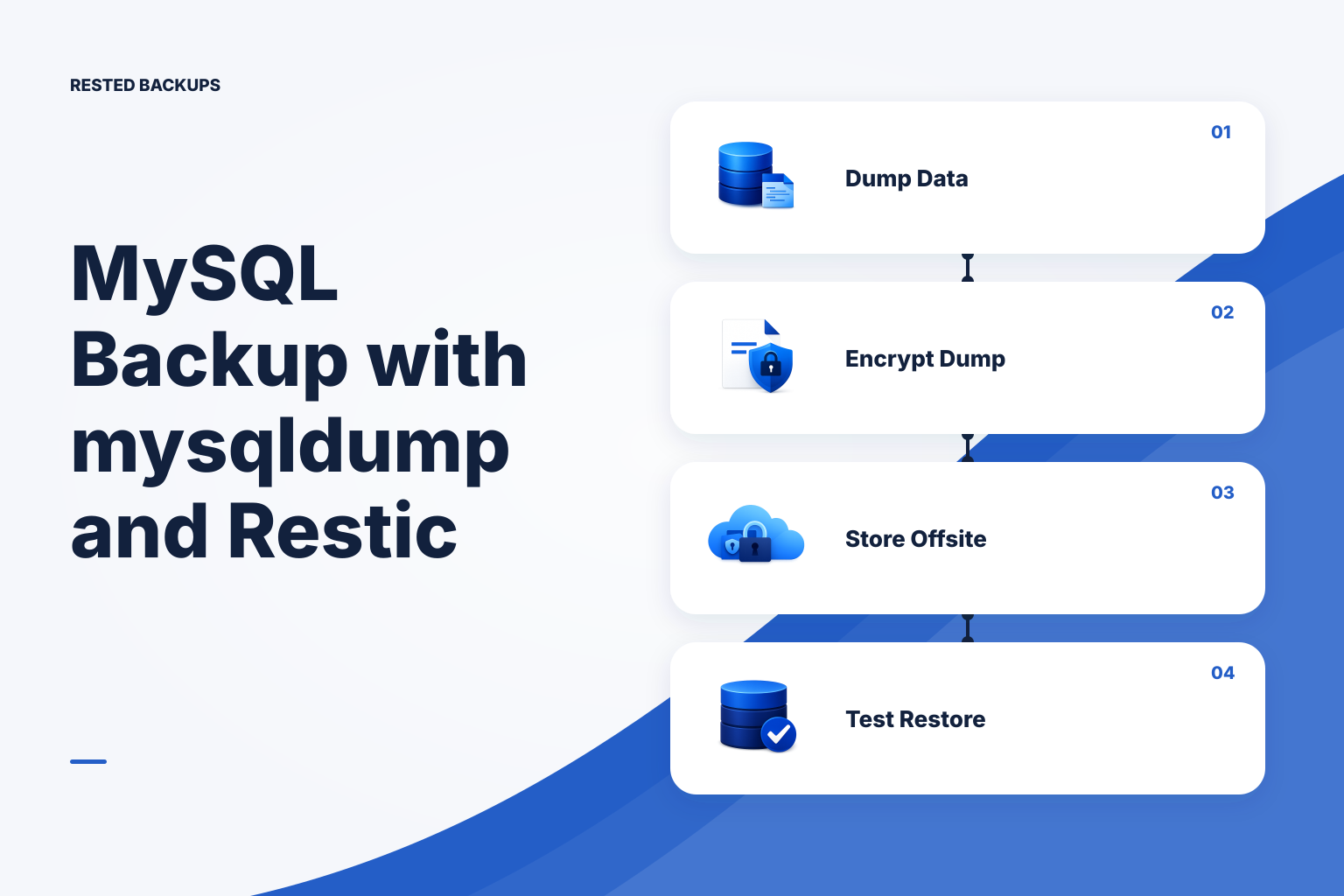
This workflow uses an InnoDB-consistent logical dump, a protected option file, atomic output, encrypted off-site storage, and a real restore test.
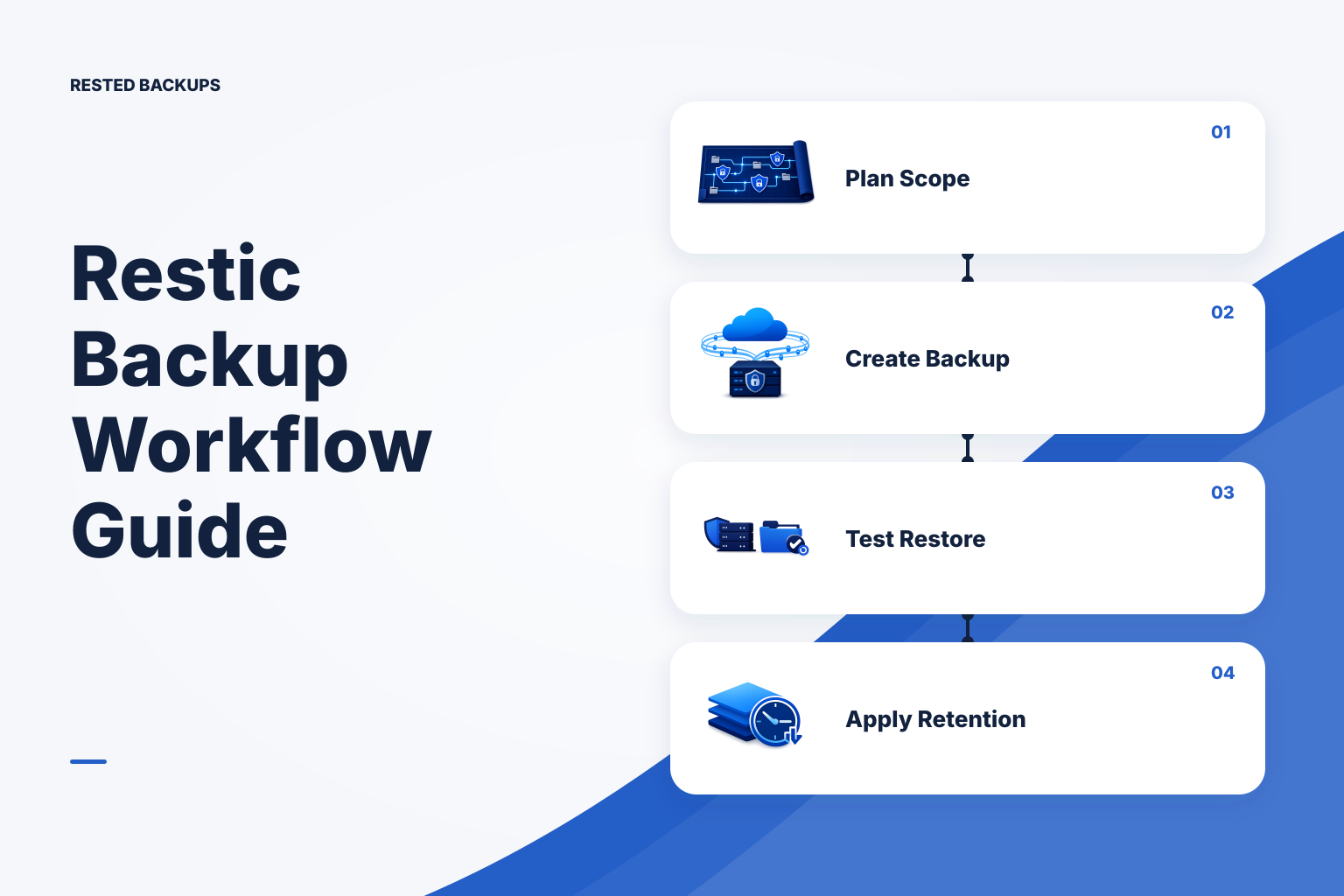
Build a restic backup workflow that protects the right data, keeps recovery access available, applies retention safely, and proves restores in an isolated target.
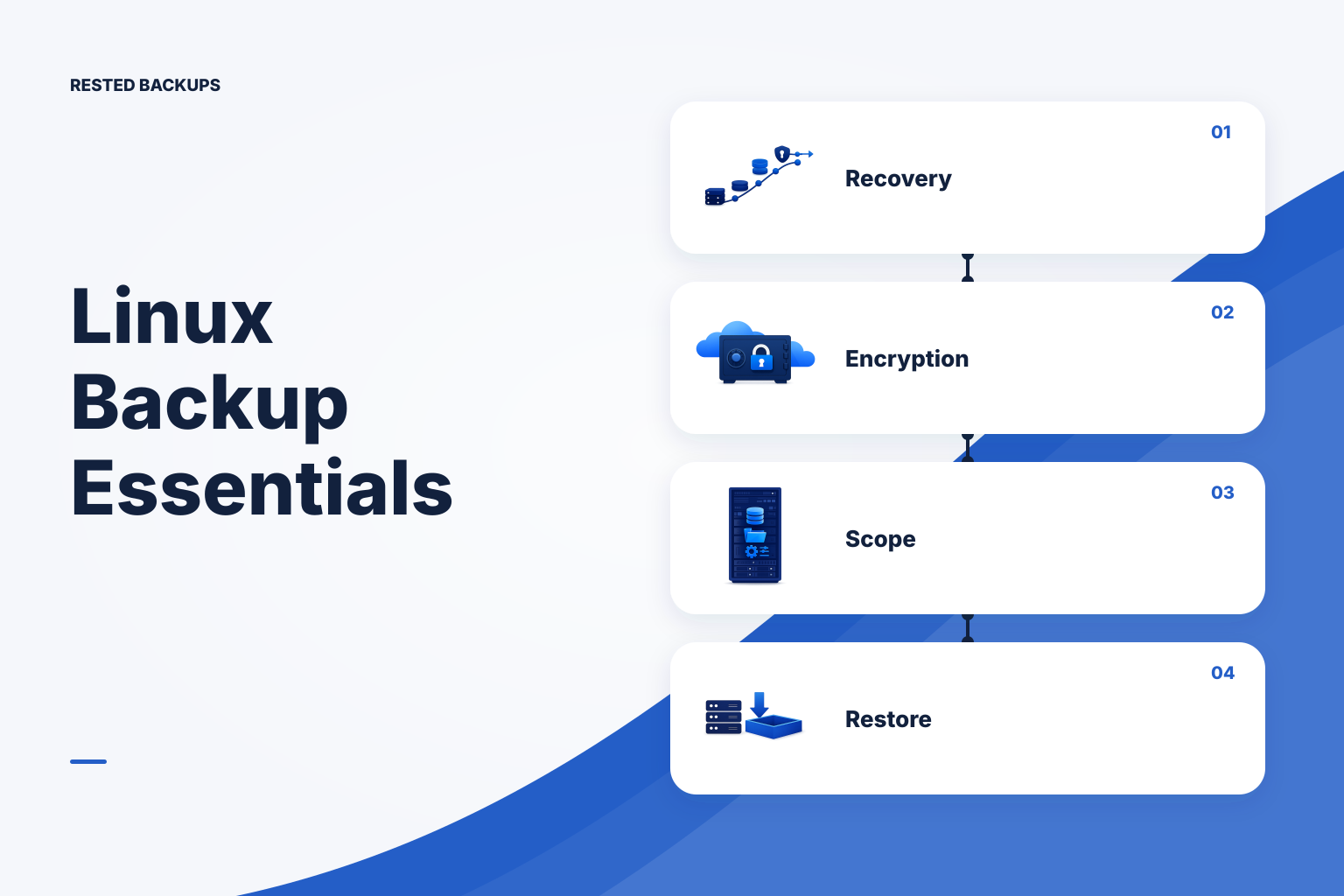
Build a Linux backup routine around recoverable scope, encrypted off-site copies, retention, monitoring, and isolated restore tests—not just successful backup jobs.